Are rubber mats washable?


Rubber Mats are indeed washable, offering convenience in cleaning and maintenance routines for various settings. These durable mats can withstand regular washing with water and mild soap or detergent, ensuring longevity and hygiene.

Cleaning washable rubber mats is a simple process that requires little effort. Start by removing debris with a broom or vacuum. Then, gently scrub the mat using soapy water to remove dirt and grime. Rinse thoroughly with clean water and allow the mat to air dry completely before using it again.

Regular cleaning helps preserve the appearance and functionality of rubber mats, preventing the buildup of dirt, stains, and odors. It’s essential to avoid using harsh chemicals or abrasive cleaners that could damage the material.

Rubber mats are suitable for a wide range of applications, including homes, gyms, workplaces, and vehicles. Their washability makes them particularly popular in areas prone to spills, moisture, or heavy foot traffic.

In homes, rubber mats are commonly used in kitchens, bathrooms, and entryways, where spills and dirt are frequent. They provide a slip-resistant surface and are easy to clean, making them ideal for busy households.

In gyms and fitness centers, rubber mats offer shock absorption, traction, and durability, making them perfect for protecting floors and equipment during workouts. Regular cleaning ensures a sanitary environment for gym-goers.

In workplaces, rubber mats are used in industrial settings to provide comfort, safety, and insulation against cold or hard surfaces. They withstand heavy use and can be easily cleaned to maintain a clean and orderly workspace.

In vehicles, rubber mats protect the interior floors from dirt, moisture, and wear and tear. They can be quickly removed for cleaning, ensuring a tidy and hygienic vehicle interior.

Overall, the washability of rubber mats makes them a practical and versatile flooring solution for various applications. With regular cleaning and maintenance, rubber mats can provide long-lasting performance and contribute to a clean and hygienic environment.

Which is the best rubber in the world?

Determining the “best” rubber in the world can be subjective and depends on various factors such as intended use, properties required, and specific industry standards. However, some types of rubber are highly regarded for their exceptional qualities and widespread applications. Let’s explore some of the top contenders:

1. Natural Rubber (NR): Natural rubber, derived from the latex sap of the Hevea brasiliensis tree, is considered one of the best rubbers due to its unique properties. NR offers high elasticity, resilience, and tear resistance, making it ideal for applications such as tires, conveyor belts, seals, and adhesives. Its ability to withstand dynamic loads and harsh environmental conditions has earned it a prominent position in the automotive and industrial sectors.

2. Styrene-Butadiene Rubber (SBR): Styrene-butadiene rubber is a synthetic rubber produced by polymerizing styrene and butadiene monomers. SBR exhibits excellent abrasion resistance, toughness, and durability, making it suitable for tire treads, conveyor belts, footwear, and industrial rubber products. Its versatility, cost-effectiveness, and availability contribute to its widespread use in various industries worldwide.

3. Polybutadiene Rubber (BR): Polybutadiene rubber is another synthetic rubber known for its outstanding resilience, low-temperature flexibility, and high abrasion resistance. BR is commonly used in tire manufacturing, where it enhances traction, improves fuel efficiency, and provides excellent wear resistance. Its ability to withstand extreme temperatures and harsh operating conditions makes it a preferred choice for demanding applications.

4. Ethylene-Propylene Rubber (EPDM): Ethylene-propylene rubber is a synthetic elastomer prized for its excellent weather resistance, ozone resistance, and electrical insulation properties. EPDM rubber is widely used in automotive seals, roofing membranes, electrical insulation, and waterproofing applications due to its superior durability and performance in outdoor environments. Its ability to maintain flexibility and integrity over a wide temperature range makes it a preferred choice for demanding outdoor applications.

5. Nitrile Rubber (NBR): Nitrile rubber, also known as Buna-N or NBR, is a synthetic rubber known for its oil resistance, chemical resistance, and flexibility over a wide temperature range. NBR is commonly used in automotive seals, gaskets, hoses, and oil-resistant gloves due to its excellent resistance to petroleum-based fuels and lubricants. Its versatility and resistance to abrasion, tearing, and compression set make it a valuable material in various industrial applications.

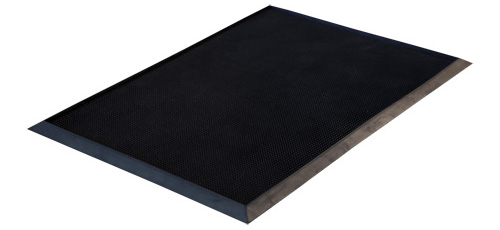
In conclusion, the “best” rubber in the world depends on the specific requirements of the application. Natural rubber, styrene-butadiene rubber, polybutadiene rubber, ethylene-propylene rubber, and nitrile rubber are among the top contenders, each offering unique properties and advantages for different industries and applications. Ultimately, the choice of rubber depends on factors such as performance requirements, environmental conditions, and cost considerations.AMRM247-(610x810x22)

Is natural rubber safe for skin?


Natural rubber

Natural rubber, the milky-white fluid obtained from rubber trees in the form of latex, is generally considered safe for skin contact due to its non-toxic nature; however, it’s important to note that some individuals may have latex allergies, which can lead to adverse reactions upon exposure to natural rubber products. The primary producers of natural rubber include India, Brazil, Malaysia, Indonesia, and Sri Lanka, where latex extraction plays a significant role in the rubber industry. This elastomeric material, derived naturally from latex, is often preferred for various applications, including toddler products, owing to its durability and non-toxic properties.

While natural rubber is generally safe, it’s crucial to consider potential risks associated with certain rubber products, particularly those used indoors. For instance, floor mats made from rubber can pose risks if they contain volatile organic compounds (VOCs). These compounds, commonly found in low-quality or inexpensive rubber mats, have the potential to emit toxic chemicals that can contribute to indoor air pollution.

Therefore, when selecting rubber-based products such as floor mats, it’s essential to choose high-quality options that meet safety standards and have minimal VOC emissions. This precaution is especially important in environments where indoor air quality is a concern, such as homes, schools, and healthcare facilities.

Manufacturers play a significant role in ensuring the safety of rubber products by adhering to strict quality control measures and using materials that minimize potential health risks. Additionally, consumers can take proactive steps to mitigate exposure to harmful substances by opting for eco-friendly, certified products and regularly ventilating indoor spaces to reduce VOC concentrations.

Furthermore, for individuals with latex allergies, it’s crucial to be mindful of the materials used in products they come into contact with, including gloves, medical equipment, and household items. Alternative materials, such as synthetic rubbers or latex-free products, can be viable options to avoid allergic reactions.

In conclusion, while natural rubber is generally safe for skin and offers numerous benefits, including durability and non-toxicity, potential risks associated with certain rubber products, such as VOC emissions in floor mats, highlight the importance of informed decision-making and adherence to safety guidelines in product selection and usage.

What are the two types of rubber?


Rubber is a versatile material that plays a vital role in various industries, from automotive and construction to healthcare and consumer goods. It’s known for its elasticity, resilience, and durability, making it indispensable in countless applications. There are two primary types of rubber: natural rubber and synthetic rubber. Let’s delve into each type to understand their characteristics, production methods, and uses.

1. Natural Rubber

Characteristics: Natural rubber, also known as latex, is derived from the sap of the Hevea brasiliensis tree, commonly known as the rubber tree. It is a polymer of isoprene, a hydrocarbon molecule, and possesses unique properties such as high elasticity, tensile strength, and resilience.

Production: The production of natural rubber begins with the tapping of rubber trees to extract latex, a milky fluid that contains rubber particles. The latex is then processed to remove impurities and concentrated into solid rubber sheets or blocks through a series of steps, including coagulation, rolling, and drying.

Uses: Natural rubber is utilized in a wide range of applications, including tire manufacturing, automotive parts, industrial hoses and belts, footwear, adhesives, and medical products such as gloves and condoms. Its superior elasticity and resilience make it particularly well-suited for applications requiring flexibility and durability.

2. Synthetic Rubber

Characteristics: Synthetic rubber is produced through chemical synthesis using petroleum-based feedstocks or other raw materials. Unlike natural rubber, which is derived from a renewable resource, synthetic rubber is manufactured in a controlled laboratory setting and can be engineered to exhibit specific properties tailored to different applications.

Production: Synthetic rubber is produced through various polymerization processes, including emulsion polymerization, solution polymerization, and polymerization in bulk. These processes involve the polymerization of monomers such as styrene, butadiene, isoprene, or chloroprene to form long-chain polymer molecules with rubber-like properties.

Uses: Synthetic rubber is widely used in applications where specific performance characteristics are required. It is commonly found in tires, seals, gaskets, conveyor belts, hoses, footwear, and insulation materials. Synthetic rubber can be formulated to withstand extreme temperatures, resist chemicals and abrasion, and exhibit enhanced tensile strength and durability.

In summary, natural rubber and synthetic rubber are the two primary types of rubber with distinct characteristics, production methods, and applications. While natural rubber is derived from the sap of  trees and prized for its elasticity and resilience, synthetic rubber is manufactured through chemical synthesis and offers versatility and customization. Both types of rubber play essential roles in various industries, contributing to innovation, efficiency, and advancement across sectors. Understanding the differences between natural and synthetic  allows for informed decision-making in selecting the most suitable material for specific applications.


What are the two major raw materials for rubber production?

Rubber production stands as a cornerstone industry, providing essential materials for a multitude of applications worldwide. At its core lie two fundamental raw materials: natural rubber and synthetic rubber. In this exploration, we delve into the characteristics, extraction, and applications of these pivotal substances.

Natural Rubber: Harvesting Nature’s Bounty

Natural rubber, derived from the latex sap of the Hevea brasiliensis tree, serves as the foundational material in rubber production.

Extraction Process The process commences with incisions made in the bark of rubber trees, allowing the latex sap to flow into collection vessels. This milky fluid is subsequently processed to remove impurities and enhance its rubber content.

Properties Natural rubber boasts exceptional elasticity, resilience, and abrasion resistance, making it indispensable in applications demanding flexibility and durability. These properties render it ideal for crafting vehicle tires, conveyor belts, footwear, and various industrial products.

Sustainability The cultivation of rubber trees contributes to forest conservation efforts and provides livelihoods for communities in tropical regions. However, concerns persist regarding issues such as deforestation and land-use changes associated with rubber plantation expansion.

Synthetic Rubber: Engineering Innovation

Synthetic rubber, a product of chemical processes utilizing petroleum-derived hydrocarbons or alternative raw materials, represents a pivotal innovation in rubber production.

Types of Synthetic Rubber Several types of synthetic rubber exist, each tailored to specific applications. Common variants include styrene-butadiene rubber (SBR), polybutadiene rubber (BR), and ethylene-propylene rubber (EPR).

Manufacturing Process Synthetic rubber is typically synthesized through polymerization reactions, wherein monomers are chemically bonded to form elongated polymer chains. This process allows for the customization of rubber properties to suit diverse industrial needs.

Applications Synthetic rubber finds extensive use across industries, including automotive, construction, electronics, and healthcare. Its versatility enables it to be utilized in various forms, from car tires and seals to adhesives and gaskets.

Advantages Synthetic rubber offers numerous advantages, including consistent quality, superior resistance to aging and weathering, and the ability to be tailored for specific applications. Moreover, it reduces reliance on natural rubber, providing a stable supply for industries worldwide.

Conclusion: Bridging Nature and Innovation In conclusion, natural rubber sourced from rubber trees and synthetic rubber synthesized through chemical processes represent the twin pillars of rubber production. Their combined contributions fuel the advancement of industries, from transportation to manufacturing, embodying the dynamic interplay between nature’s bounty and human ingenuity.

what are the uses of rubber mats in an industrial setting?

Rubber mats play a crucial role in maintaining safety, productivity, and efficiency in various industrial settings. These durable and resilient mats offer numerous benefits that make them indispensable in environments where heavy machinery, high foot traffic, and potentially hazardous conditions are common. Here are some of the key uses of rubber mats in industrial settings:

1. Slip Resistance: In industrial environments where spills, oils, and other liquids are prevalent, slip and fall accidents can pose a significant risk to workers. Rubber mats with textured surfaces provide excellent traction underfoot, reducing the likelihood of slips and falls. Placing rubber mats in areas prone to spills, such as entrances, walkways, and workstations, helps create a safer work environment for employees.

2. Anti-Fatigue Properties: Jobs that require prolonged standing or walking on hard concrete floors can lead to fatigue, discomfort, and musculoskeletal issues for workers. Rubber mats with cushioned, anti-fatigue properties help alleviate the strain on joints and muscles by providing a supportive surface to stand on. These mats are commonly used in assembly lines, packaging areas, and workstations to enhance worker comfort and productivity.

3. Impact Absorption: Industrial environments often involve the use of heavy machinery and equipment that can create vibrations and impact forces on the floor. Rubber mats act as a buffer, absorbing shock and reducing noise levels generated by machinery. By minimizing the transmission of vibrations through the floor, rubber mats help protect both equipment and the structural integrity of the building.

4. Electrical Insulation: In areas where electrical equipment is present, such as control rooms, electrical substations, and manufacturing facilities, rubber mats serve as a critical safety measure. Electrical insulating rubber mats provide a protective barrier between workers and the ground, reducing the risk of electric shock and injury in the event of a fault or electrical discharge.

5. Protection of Floors: Industrial floors are subjected to heavy wear and tear from equipment, vehicles, and heavy loads, leading to damage and deterioration over time. Rubber mats act as a protective layer, safeguarding floors from scratches, impact damage, and chemical spills. Additionally, rubber mats can help prevent concrete floors from cracking and crumbling due to repeated stress and pressure.

6. Ergonomic Workstations: Rubber mats can be customized to fit specific workstations and machinery layouts, creating ergonomic environments that promote worker comfort and efficiency. By providing a stable and supportive surface to stand on, rubber mats help reduce strain on the back, legs, and feet, enabling workers to focus on their tasks without discomfort or fatigue.

In conclusion, rubber mats are invaluable assets in industrial settings, offering a wide range of benefits that contribute to safety, productivity, and efficiency. From slip resistance and anti-fatigue properties to impact absorption and electrical insulation, rubber mats play a vital role in creating a safe, comfortable, and productive work environment for employees.

What is rubber mat flooring?

Rubber mat flooring is a versatile and resilient flooring option that offers numerous benefits for a variety of applications. Made from natural or synthetic rubber materials, rubber mat flooring is known for its durability, shock absorption, slip resistance, and ease of maintenance. It is commonly used in gyms, fitness centers, playgrounds, industrial facilities, and even residential spaces where durability and safety are paramount.

Durability and Resilience

One of the primary advantages of rubber mat flooring is its exceptional durability and resilience. Rubber mats are designed to withstand heavy foot traffic, impact, and wear and tear, making them an ideal flooring solution for high-traffic areas. Whether it’s in a gym where weights are dropped regularly or in a playground where children play, rubber mat flooring can endure constant use without deteriorating or losing its integrity.

Shock Absorption

Rubber mat flooring offers excellent shock absorption properties, making it an ideal choice for environments where impact protection is crucial. In gyms and fitness centers, rubber mats help cushion the impact of heavy equipment and weights, reducing the risk of injury and strain on joints. Similarly, in playgrounds and recreational areas, rubber mat flooring provides a soft and forgiving surface that minimizes the risk of injuries from falls.

Slip Resistance

Safety is paramount in any environment, and rubber mat flooring provides excellent slip resistance to help prevent accidents and injuries. The textured surface of rubber mats offers traction underfoot, even when wet, reducing the risk of slips and falls. This makes rubber mat flooring an ideal choice for areas prone to moisture, such as locker rooms, pool decks, and industrial workspaces.

Easy Maintenance

Rubber mat flooring is incredibly easy to maintain, requiring minimal upkeep to keep it looking its best. Unlike other flooring options that may require special cleaners or treatments, rubber mats can be cleaned with a simple solution of soap and water. Additionally, rubber mat flooring is resistant to stains, odors, and moisture, making it a hygienic choice for areas where cleanliness is paramount.

Versatility

Another advantage of rubber mat flooring is its versatility. Available in a wide range of colors, thicknesses, and textures, rubber mats can be customized to suit the specific needs and aesthetic preferences of any space. Whether it’s creating a vibrant workout area in a gym or a safe play surface in a playground, rubber mat flooring offers endless possibilities for design and functionality.

In conclusion, rubber mat flooring is a durable, resilient, and versatile flooring option that offers numerous benefits for a variety of applications. From its exceptional durability and shock absorption properties to its slip resistance and ease of maintenance, rubber  flooring is an excellent choice for any environment where safety, durability, and aesthetics are paramount.

What company makes the PFAS- Free & Prop 65 Rubber floor mats?

In recent years, there has been growing concern over the presence of harmful chemicals in everyday products, including rubber floor mats. Per- and polyfluoroalkyl substances (PFAS) and chemicals listed under California’s Proposition 65 (Prop 65) have raised alarms due to their potential health risks. However, one company is leading the way in prioritizing safety and sustainability with their PFAS-Free & Prop 65 compliant rubber floor mats. Aramats, a renowned manufacturer of high-quality rubber products, has taken a proactive approach to address consumer concerns about chemical exposure in rubber floor mats. Recognizing the importance of creating safer and healthier environments, Aramats has developed a line of rubber floor mats that are free from PFAS and compliant with Prop 65 regulations.

1. PFAS-Free Formulation: Aramats rubber floor mats are manufactured using a proprietary formulation that eliminates the use of PFAS. PFAS, commonly found in various consumer products, have been linked to adverse health effects, including hormone disruption, immune system impairment, and cancer. By opting for a PFAS-free formulation, Aramats prioritizes the safety and well-being of their customers.

2. Prop 65 Compliance: In addition to being PFAS-free, Aramats’ rubber floor mats adhere to the stringent requirements of California’s Proposition 65. Prop 65 mandates that products sold in California containing chemicals known to cause cancer, birth defects, or other reproductive harm must bear warning labels. By ensuring compliance with Prop 65 regulations, Aramats provides consumers with peace of mind knowing that their products meet rigorous safety standards.

3. Sustainable Manufacturing Practices: Beyond chemical safety, Aramats is committed to sustainable manufacturing practices that minimize environmental impact. Their rubber floor mats are made from high-quality, durable materials that are sourced responsibly and produced using eco-friendly processes. By prioritizing sustainability, Aramats aims to reduce their carbon footprint and contribute to a cleaner, healthier planet.

4. Versatile Applications: Aramats’ PFAS-Free & Prop 65 compliant rubber floor mats are suitable for a wide range of applications, including residential, commercial, and industrial settings. Whether used in homes, offices, gyms, or automotive facilities, these mats provide durable, non-toxic flooring solutions that prioritize safety without compromising on performance.

5. Customer Satisfaction Guarantee: With a commitment to excellence, Aramats stands behind the quality and safety of their products. They offer a customer satisfaction guarantee, ensuring that customers are fully satisfied with their purchase. In the rare event of any concerns or issues, Aramats’ dedicated customer service team is available to address inquiries and provide assistance.

In conclusion, Aramats‘ PFAS-Free & Prop 65 compliant rubber floor mats set a new standard for safety, sustainability, and performance in the industry. By prioritizing chemical-free formulations, Prop 65 compliance, sustainable manufacturing practices, versatile applications, and customer satisfaction, Aramats demonstrates its unwavering commitment to creating safer, healthier environments for consumers worldwide.

What are the current uses of rubber ?

Rubber stands as one of the most versatile materials, contributing significantly across diverse industries and everyday households. Its origins trace back to rubber trees, where the milky latex serves as the foundation for various elastomers, with polyisoprene notably forming the basis of natural rubber. Across industries, rubber’s applications are vast and essential. In transportation, it’s integral to tubes, auto tires, and various automobile components, using rubber mats for floor of vehicle ensuring safety, traction, and durability on roads. Footwear and belting industries rely on rubber for its flexibility, comfort, and resilience, while hoses and cables benefit from its weather resistance and insulating properties. Construction and infrastructure incorporate rubber into roofing materials, seals, and concrete formulations, enhancing structural integrity and longevity.

Consumer goods like footwear, sports equipment, and household items such as rubber bands and gloves leverage rubber’s properties for functionality and usability. The medical sector finds rubber indispensable in producing medical gloves, tubing, seals, and orthopedic braces, ensuring hygiene, comfort, and ensure  safety for patients by using quality rubber mats in floor and healthcare professionals alike. Industrial applications span conveyor belts, shock absorbers, O-rings, and seals, optimizing machinery performance and longevity.

Textiles and fabrics integrate rubber for waterproofing and elasticity, enhancing product durability and performance. Sporting goods like basketballs, gym mats, and equipment grips rely on rubber’s shock-absorbing attributes, safeguarding athletes and equipment. In agriculture, rubber’s presence in tires, hoses, and seals supports efficient and reliable machinery operation. Additionally, rubber plays pivotal roles in electronics for cable insulation and protective coatings, as well as in the marine sector for boat fenders, seals, and anti-slip coatings, ensuring safety and longevity in harsh environments. Transitioning to households, rubber mats emerge as essential accessories offering durability, slip resistance, and easy maintenance. From quality rubber mats for floor, kitchen mats and bathroom mats to pet mats, yoga mats, and playroom mats, rubber mats cater to various household needs while blending functionality with aesthetic appeal.

When selecting rubber mats, considerations such as size, thickness, and design ensure they meet specific requirements and complement home décor seamlessly. Overall, rubber’s journey from tree to multifaceted applications underscores its unparalleled utility, versatility, and indispensability in modern life. Aramats a premier manufacturer of mats in Pennsylvania, USA, offers a range including sanitization mats, boot trays, and urinal mats, epitomizing rubber’s modern significance.


Go to Top