Why is rubber matting used?

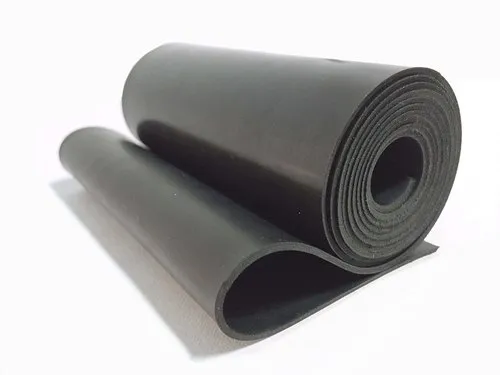
Rubber matting

Rubber matting is a versatile and essential material used in various settings due to its unique properties and benefits. Whether in industrial environments, gyms, homes, or commercial spaces, rubber matting offers a range of advantages that make it a preferred choice for flooring solutions.

Durability and Longevity

One of the primary reasons rubber matting is widely used is its exceptional durability. Rubber mats are resistant to wear and tear, making them ideal for high-traffic areas. They can withstand heavy loads, impacts, and abrasion, which is why they are commonly found in industrial settings and gyms. Their ability to endure harsh conditions ensures a long lifespan, providing a cost-effective flooring solution over time.

Safety and Slip Resistance

Safety is a critical consideration in any environment, and rubber matting excels in this aspect. Its natural slip-resistant properties reduce the risk of accidents, especially in areas prone to moisture or spills. This makes rubber mats an excellent choice for kitchens, bathrooms, and other wet areas. Additionally, rubber mats provide cushioning, which can help reduce fatigue and prevent injuries, particularly in workplaces where employees stand for long periods.

Comfort and Ergonomics

Rubber matting offers a comfortable surface that can alleviate stress on the feet, legs, and back. This ergonomic benefit is particularly valuable in workplaces where employees are on their feet for extended periods, such as factories, retail stores, and kitchens. The cushioning effect of rubber mats helps in reducing discomfort and improving productivity by creating a more comfortable working environment.

Noise Reduction

Rubber matting also has sound-absorbing properties, making it an excellent choice for areas where noise reduction is desired. In gyms and fitness centers, rubber mats can minimize the noise of dropped weights and heavy equipment, creating a more pleasant environment for users. Similarly, in residential and commercial spaces, rubber matting can help dampen sound, contributing to a quieter atmosphere.

Easy Maintenance and Cleanliness

Maintenance is a breeze with rubber matting. It is resistant to stains, water, and chemicals, making it easy to clean and maintain. Regular sweeping and occasional mopping are usually sufficient to keep rubber mats looking new. This low-maintenance aspect makes rubber matting a practical choice for busy environments.

In conclusion, rubber  is a highly beneficial flooring solution that offers durability, safety, comfort, noise reduction, and easy maintenance. Its versatile nature makes it suitable for a wide range of applications, from industrial settings to homes, ensuring that spaces are safer, more comfortable, and easier to manage.


Is rubber flooring non-toxic?

Rubber flooring has become increasingly popular for both residential and commercial spaces due to its durability, comfort, and aesthetic appeal. However, a common concern is whether rubber flooring is non-toxic and safe for use, especially in homes with children and pets.


 best Rubber Flooring mts


Types of Rubber Flooring

Rubber flooring comes in two primary types: natural and synthetic. Natural rubber is derived from rubber tree sap and is generally considered non-toxic. Synthetic rubber, on the other hand, is made from petrochemicals and can vary in terms of toxicity based on the chemicals used in its production.

Health and Safety Considerations

  1. Volatile Organic Compounds (VOCs):
    • Some rubber flooring products can emit VOCs, which are chemicals that vaporize at room temperature and can cause health issues such as headaches, dizziness, and respiratory problems. It’s essential to choose rubber flooring with low or no VOC emissions to ensure indoor air quality.
  2. Certifications:
    • Look for rubber flooring that has been certified by reputable organizations such as GREENGUARD or FloorScore. These certifications indicate that the product meets strict standards for low chemical emissions.
  3. Recycled Rubber:
    • Recycled rubber flooring is an eco-friendly option, often made from old tires. While it is durable and sustainable, it’s crucial to verify that the recycling process removes any harmful substances.
  4. Natural Rubber:
    • Natural rubber flooring is a safer choice as it is made from organic materials without harmful chemicals. It is biodegradable and generally free from toxic substances.

Installation and Maintenance

Proper installation and maintenance also play a role in the safety of rubber flooring. Ensure that adhesives used during installation are non-toxic and that the flooring is cleaned with eco-friendly products to prevent the release of harmful chemicals.

Rubber flooring can be a non-toxic option if you choose products with low VOC emissions, proper certifications, and eco-friendly materials. Always research and select high-quality flooring to ensure a safe and healthy environment in your home or workplace.

What is the best flooring for a gym floor?

Choosing the best gym floor mats considering factors like durability, safety, comfort, and maintenance. The ideal gym floor should provide adequate shock absorption, reduce the risk of injury, and withstand heavy equipment and foot traffic. Here are some of the best options:

1. Rubber Flooring

Rubber flooring is a top choice for gym floors due to its durability, versatility, and ease of maintenance.

It provides excellent shock absorption, which is crucial for activities involving high impact, like weightlifting and aerobics. Rubber gym floor mats is available in rolls, tiles, and mats, offering flexibility in installation and design.

It’s also slip-resistant, making it a safe option for preventing injuries.

2. Foam Flooring

Foam flooring is ideal for areas designated for activities like yoga, pilates, or martial arts. It offers superior cushioning and comfort, reducing strain on joints during low-impact exercises. Foam tiles are lightweight, easy to install, and often come with interlocking edges, ensuring a secure fit. However, foam may not be suitable for heavy weights or high-impact activities due to its softer nature.

3.  Vinyl Flooring

Vinyl flooring is a versatile and cost-effective option for gym spaces. It mimics the look of wood or stone while providing a resilient and easy-to-clean surface. Vinyl is moisture-resistant, making it a great choice for areas prone to spills or sweat. It’s also durable enough to handle moderate to heavy foot traffic and gym equipment.

4. Carpet Tiles

Carpet tiles offer a comfortable and cushioned surface, ideal for functional training areas or cardio zones. They provide good traction and noise reduction. Additionally, carpet tiles are easy to replace if damaged, making maintenance simpler. However, they may not be suitable for areas with heavy weights due to potential wear and tear.

5. Wood Flooring

Wood flooring is preferred for sports like basketball and dance. It provides a solid, smooth surface that is aesthetically pleasing and durable. Properly installed wood flooring with a polyurethane finish offers excellent longevity and performance. However, it requires regular maintenance and might be costlier compared to other options.

The best flooring for your gym will depend on the specific activities, budget, and aesthetic preferences. Rubber flooring generally stands out as the most versatile and durable option, suitable for a wide range of exercises and equipment. Foam and carpet tiles are excellent for specific zones, providing comfort and cushioning. Vinyl and wood flooring offer durability and aesthetic appeal, ideal for specialized areas within the gym.


What material is used for rubber mats?

Rubber mats are widely used across various industries and households due to their durability, flexibility, and safety features. These mats are crafted from different types of rubber material, each offering unique properties that make them suitable for specific applications. This blog delves into the common materials used in rubber mats, highlighting their characteristics and benefits.

Rubber mats are typically made from various types of rubber materials, each offering distinct properties and benefits. The common materials used for rubber mats include:

Natural Rubber

  • Source: Derived from the latex of rubber trees.
  • Properties: Excellent elasticity, durability, and comfort.
  • Uses: General-purpose mats, anti-fatigue mats, and industrial applications.

Synthetic Rubber

  • Types: Includes materials like SBR (Styrene-Butadiene Rubber), NBR (Nitrile Butadiene Rubber), and EPDM (Ethylene Propylene Diene Monomer).
  • Properties: Varied properties depending on the type, such as oil resistance, weather resistance, and heat resistance.
  • Uses: Specialised applications like oil-resistant mats, outdoor mats, and high-temperature environments.

Recycled Rubber

  • Source: Made from recycled rubber products like tires.
  • Properties: Eco-friendly, cost-effective, and durable.
  • Uses: Gym mats, playground mats, and industrial flooring.

PVC (Polyvinyl Chloride) Rubber

  • Source: Synthetic material that mimics the properties of rubber.
  • Properties: Durable, resistant to chemicals, and easy to clean.
  • Uses: Commercial mats, anti-slip mats, and entrance mats.

Neoprene

  • Source: Synthetic rubber derived from chloroprene.
  • Properties: Excellent resistance to oil, chemicals, and weather conditions.
  • Uses: Industrial mats, marine applications, and wet environments.

Each type of rubber material is chosen based on the specific requirements of the application, such as durability, resistance to certain substances, and environmental considerations.

The choice of material for rubber mats depends largely on the intended application and environmental conditions. Natural rubber is perfect for general use due to its flexibility and comfort, while synthetic rubbers like NBR, SBR, and EPDM are tailored for specific industrial and outdoor needs. Recycled rubber offers an eco-friendly and economical option, and foam rubber provides superior cushioning and shock absorption. Understanding these materials can help you select the right rubber mat to meet your specific requirements, ensuring safety, durability, and performance.

Go to Top