
ARAMATS Team
Written by the ARAMATS team at Arackathara Group, manufacturers and exporters of rubber matting solutions since 1973.
Written by the ARAMATS team at Arackathara Group, manufacturers and exporters of rubber matting solutions since 1973.
Rubber flooring mat and PVC flooring mat are popular choices for both residential and commercial applications, each offering unique benefits and characteristics. Understanding the differences between these two types of flooring can help you make an informed decision based on your specific needs.
Rubber Flooring: Rubber flooring is made from either natural rubber harvested from rubber trees or synthetic rubber derived from petroleum-based materials. It is known for its resilience and elasticity, making it an ideal choice for areas with heavy foot traffic or where a high degree of durability is required.
PVC Flooring:PVC (polyvinyl chloride) flooring, also known as vinyl flooring, is made from a type of plastic. It is composed of multiple layers, including a protective wear layer, a printed design layer, and a backing layer. PVC flooring can be found in both flexible sheets and rigid tiles or planks.
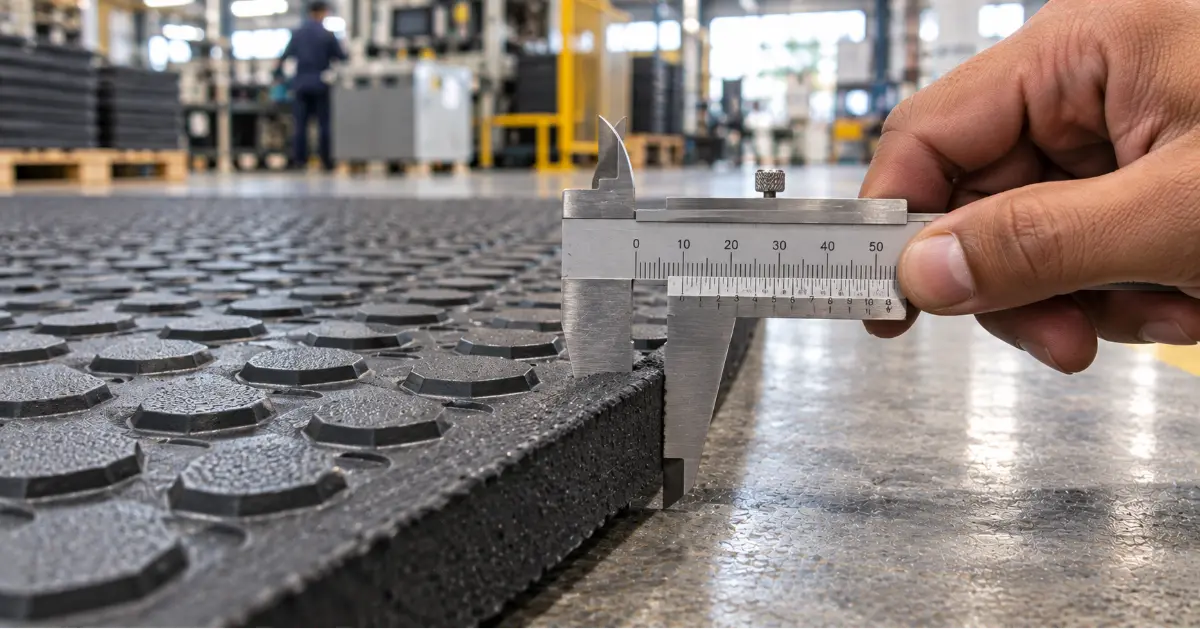
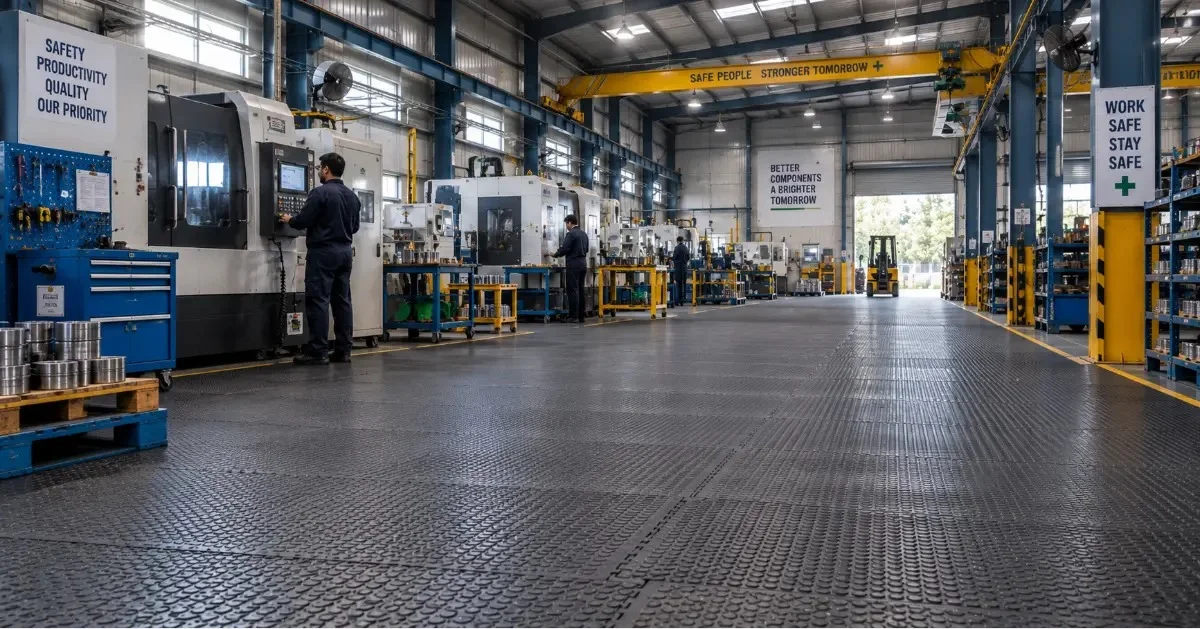
Rubber Flooring: Rubber flooring is highly durable and can withstand significant wear and tear. It is resistant to impacts, heavy loads, and abrasions, making it a common choice for gyms, playgrounds, and industrial settings. Rubber flooring can last for many years with proper maintenance.
PVC Flooring: PVC flooring is also durable but slightly less so compared to rubber. It is resistant to moisture, stains, and scratches, which makes it suitable for kitchens, bathrooms, and commercial spaces. However, it may show signs of wear over time in high-traffic areas. Quality PVC flooring can last for 10-20 years.
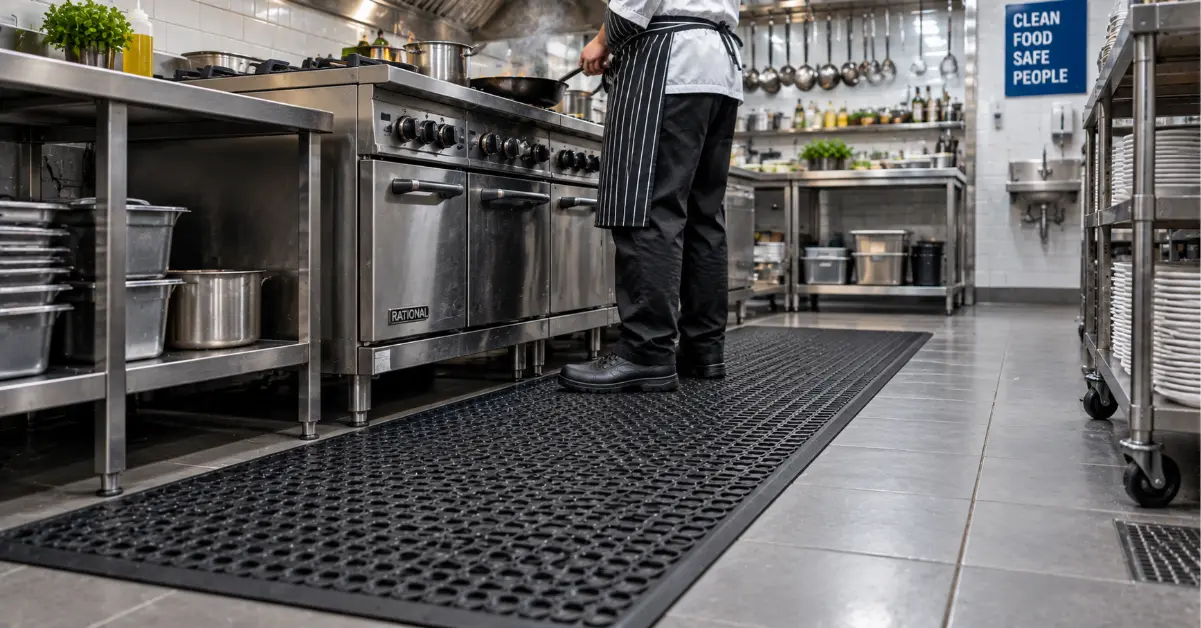
Rubber Flooring: Rubber flooring provides excellent cushioning and shock absorption, reducing the risk of injuries from falls. Its slip-resistant properties make it a safe choice for areas prone to wet conditions. Rubber also offers good sound insulation, reducing noise levels.
PVC Flooring: PVC flooring is generally thinner and less cushioned than rubber, but it can still provide a comfortable underfoot experience. Some types of PVC flooring include a foam or felt backing for added comfort and noise reduction. While PVC can be made slip-resistant, it may not offer the same level of grip as rubber.
Rubber Flooring: Rubber flooring mat is available in rolls, tiles, or mats. Installation can be more challenging due to its weight and the need for precise fitting. However, once installed, rubber flooring is easy to clean and maintain with regular sweeping and mopping.
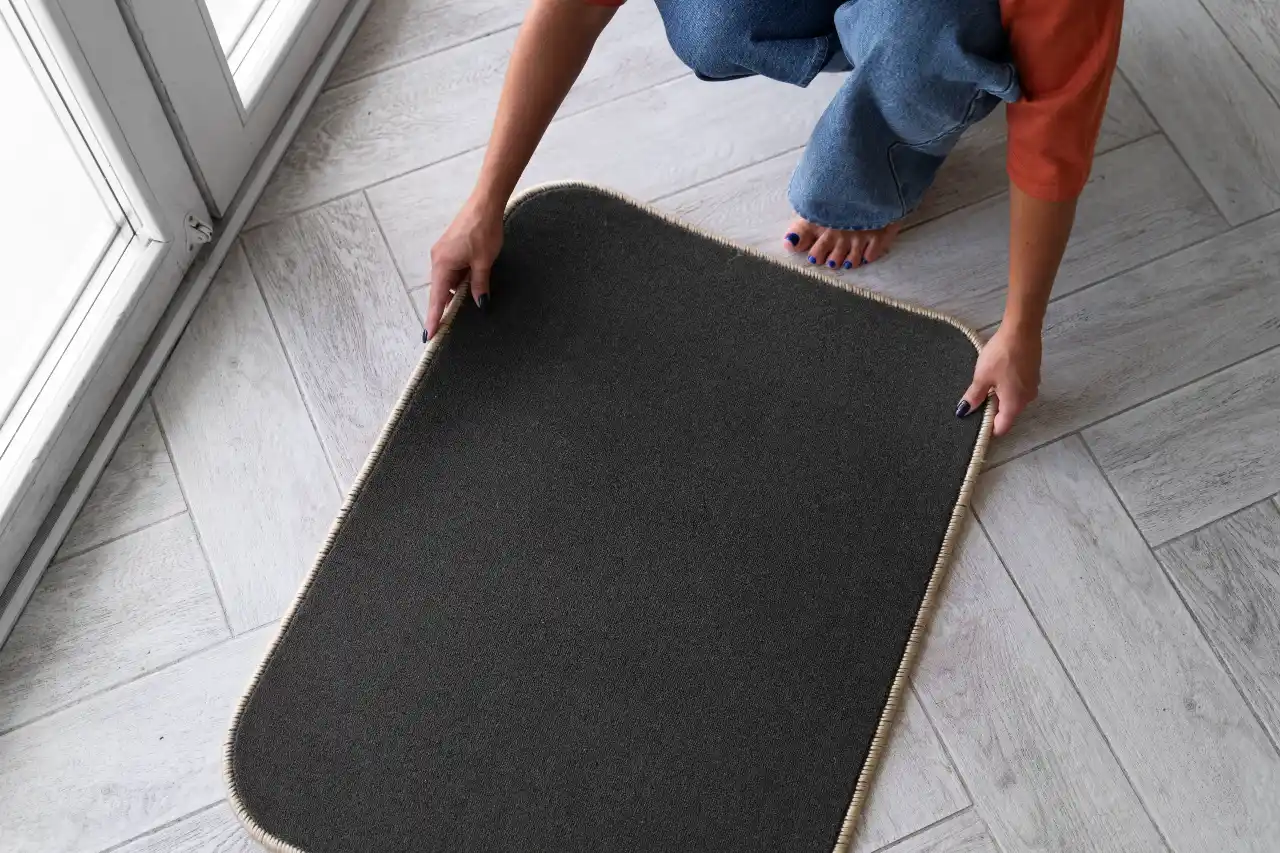
PVC Flooring: PVC flooring is easier to install, often featuring click-lock systems or adhesive backing. It can be cut to fit various room shapes with basic tools. Maintenance involves simple cleaning routines, including sweeping and mopping with mild detergents.
Rubber Flooring: Rubber flooring is generally more expensive than PVC due to its material properties and durability. However, its long lifespan can offset the initial cost.
PVC Flooring: PVC flooring is typically more affordable, offering a cost-effective solution for those on a budget. It provides a wide range of design options, mimicking the appearance of wood, stone, and other materials.
The choice between rubber and PVC flooring depends on factors such as budget, intended use, and specific requirements for durability, comfort, and maintenance. Rubber flooring is ideal for high-traffic and high-impact areas, providing superior durability and safety, while PVC flooring offers a versatile, cost-effective option suitable for various residential and commercial applications.